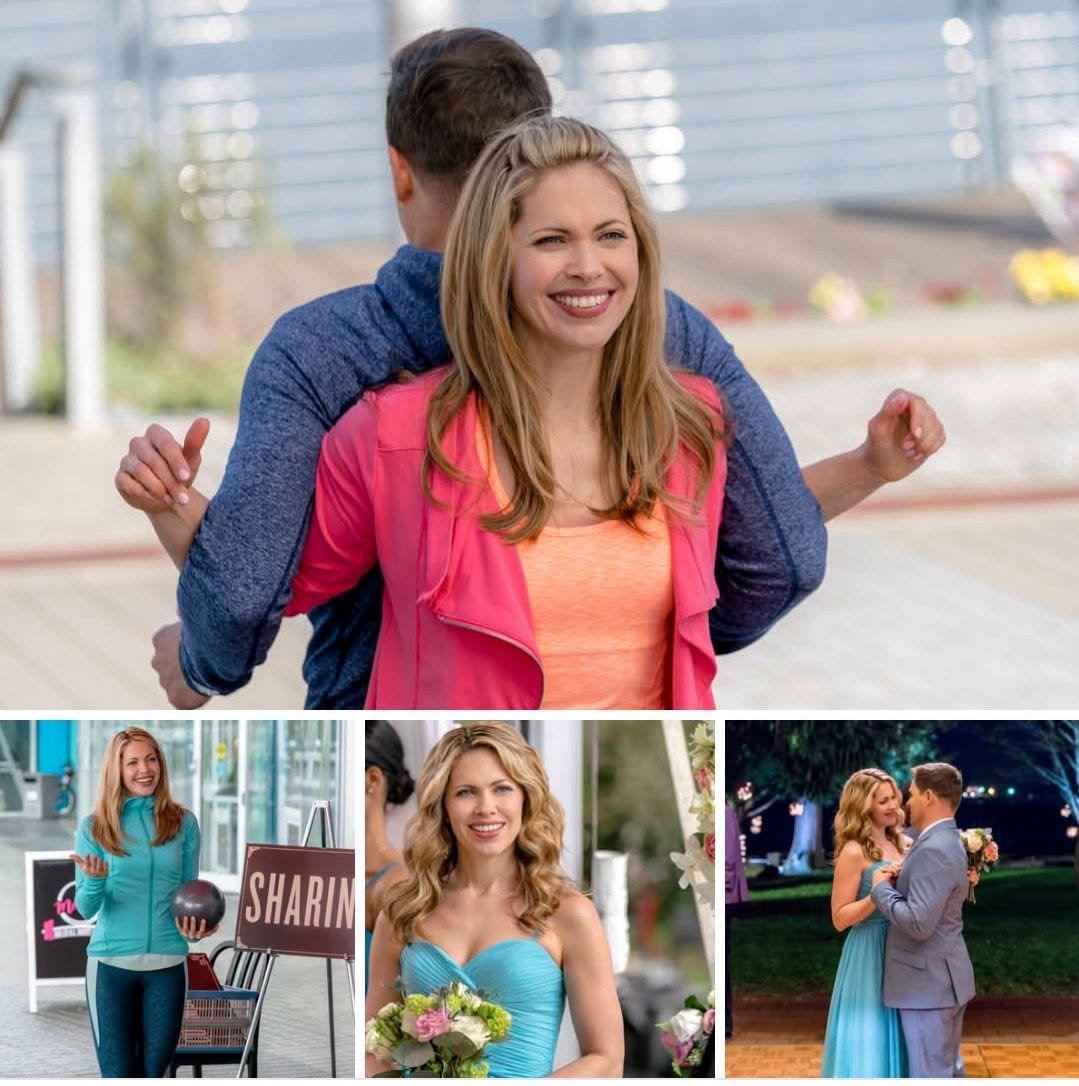
Part Three: Why Fans Keep Coming Back to This Kind of Romance
Part of the lasting appeal of The Perfect Bride is its understanding that romance is most satisfying when it is also about personal growth. The wedding theme could have made the story entirely about getting to the altar, but the movie is more interested in asking whether the people standing there are truly ready for what comes afterward.
That is why Molly’s professional life matters so much.
Her bridal boot camp is not merely a quirky occupation designed to make the movie different. It represents her belief that strong relationships require preparation. Couples need communication. They need honesty. They need to understand each other. They need to know how to deal with imperfections rather than pretending those imperfections do not exist.
Eventually, Molly has to apply those lessons to herself.
That creates one of the movie’s most satisfying emotional ironies. The woman giving advice to brides discovers that she cannot simply counsel herself through love. At some point, she has to stop analyzing everything and allow herself to be vulnerable.
It is a familiar Hallmark theme, but The Perfect Bride gives it a distinctive setting.
The movie also understands why audiences enjoy returning to romantic films like this one. Viewers are not necessarily watching because they need to be surprised by every plot development. They are watching because they want to feel something familiar: warmth, optimism, connection and the reassuring belief that life can take an unexpected turn and still lead somewhere beautiful.
That sense of comfort is part of the Hallmark appeal, and The Perfect Bride fits naturally into that tradition without needing to become a Christmas story. It is a wedding-season romance, filled with the visual language of celebrations and new beginnings. The film was released in June 2017, making its sunny wedding atmosphere especially fitting for Hallmark’s June Weddings programming.
The movie’s legacy was also strong enough to lead to a sequel, The Perfect Bride: Wedding Bells, bringing Hutton and Smith back as Molly and Nick. Hallmark’s sequel follows the couple as they move toward their own wedding, showing how their relationship continues beyond the initial romance.
That continuation says something important about why audiences connected with the original. Molly and Nick were not simply memorable because they looked good together on screen. Their relationship left viewers wanting to know what happened after the first happily-ever-after.
And perhaps that is the sweetest idea at the heart of The Perfect Bride.
The perfect love story is not necessarily the one without confusion, mistakes or unexpected obstacles. It is the one in which two people are willing to be honest about who they are and what they want. It is the relationship that survives the moment when the carefully designed picture no longer matches reality.
For a movie surrounded by weddings, dresses and the promise of a perfect day, that is an unexpectedly mature message.
The Perfect Bride ultimately celebrates something much simpler than perfection: finding someone with whom you can be completely yourself. The performances, romantic chemistry and gentle humor make the journey enjoyable, but the emotional message is what gives the film its lasting warmth.
Years after its original release, that is still the kind of Hallmark romance many viewers return to when they want a story that feels hopeful without demanding too much from them. It offers a reminder that love does not have to arrive according to a perfect plan.
Sometimes, the best things happen precisely because the plan changes.
