Part Two: Rachel Boston and Andrew Walker Give the Story Its Heart
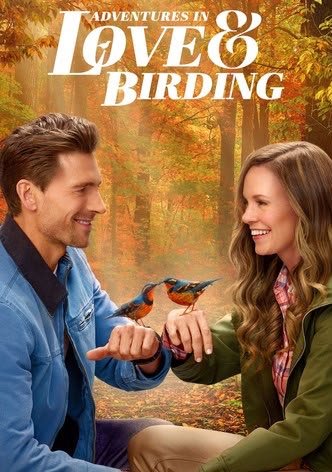
The biggest reason the movie’s unusual premise works is the chemistry between Rachel Boston and Andrew Walker. Their performances give Celeste and John a warmth that keeps the relationship from feeling like a simple romantic-comedy device.
Boston brings an approachable quality to Celeste that makes her easy to root for. The character is navigating uncertainty, but she is not defined by it. There is humor in her mistakes and vulnerability in the moments when she begins to realize that the pretend relationship might be becoming something much more meaningful.
Boston has already built a substantial connection with Hallmark audiences through numerous films, including The Christmas Carousel, Dating the Delaneys, and The Last Bridesmaid. Her ability to make characters feel emotionally accessible is one reason she fits so naturally into this kind of story.
Walker, meanwhile, has become one of Hallmark’s recognizable leading men over more than a decade with the network. His Hallmark credits include A Bride for Christmas, Bottled with Love, My Christmas Family Tree, Three Wise Men and a Baby, A Safari Romance, and numerous other romances.
As John, he gets to play a character whose passion for birding could easily have become a one-note personality trait. Instead, Walker gives John enough warmth and sincerity to make his enthusiasm charming rather than eccentric. There is an appealing softness to the character, particularly as his relationship with Celeste begins to shift from performance to genuine affection.
Their chemistry is not built solely around dramatic declarations. It comes through in the smaller interactions—the teasing, the awkward pauses, the moments when one character realizes the other is paying attention, and the gradual comfort that develops between two people who initially have no reason to expect a lasting relationship.
That is one of the pleasures of Hallmark romance at its best. The audience gets to watch attraction become familiarity, familiarity become trust, and trust become something deeper.
The supporting emotional dimension also comes through Celeste’s relationship with her daughter, Morgan. The movie does not treat romance as existing in a separate universe from family. Celeste’s choices matter because she is a mother entering a new stage of life, and that gives her romantic journey an additional layer of meaning. The story becomes less about simply finding someone and more about allowing yourself to imagine a future that looks different from the one you once expected.
The movie was directed by Michael Robison and written by Nicole Baxter, with the screenplay based on Sarah T. Dubb’s novel Birding with Benefits. That literary foundation helps explain why the film has a premise that feels slightly outside the most familiar Hallmark templates while still delivering the emotional comfort viewers expect from the network.
