Part Three: The Beauty, Nostalgia and Hope That Keep the Story Memorable
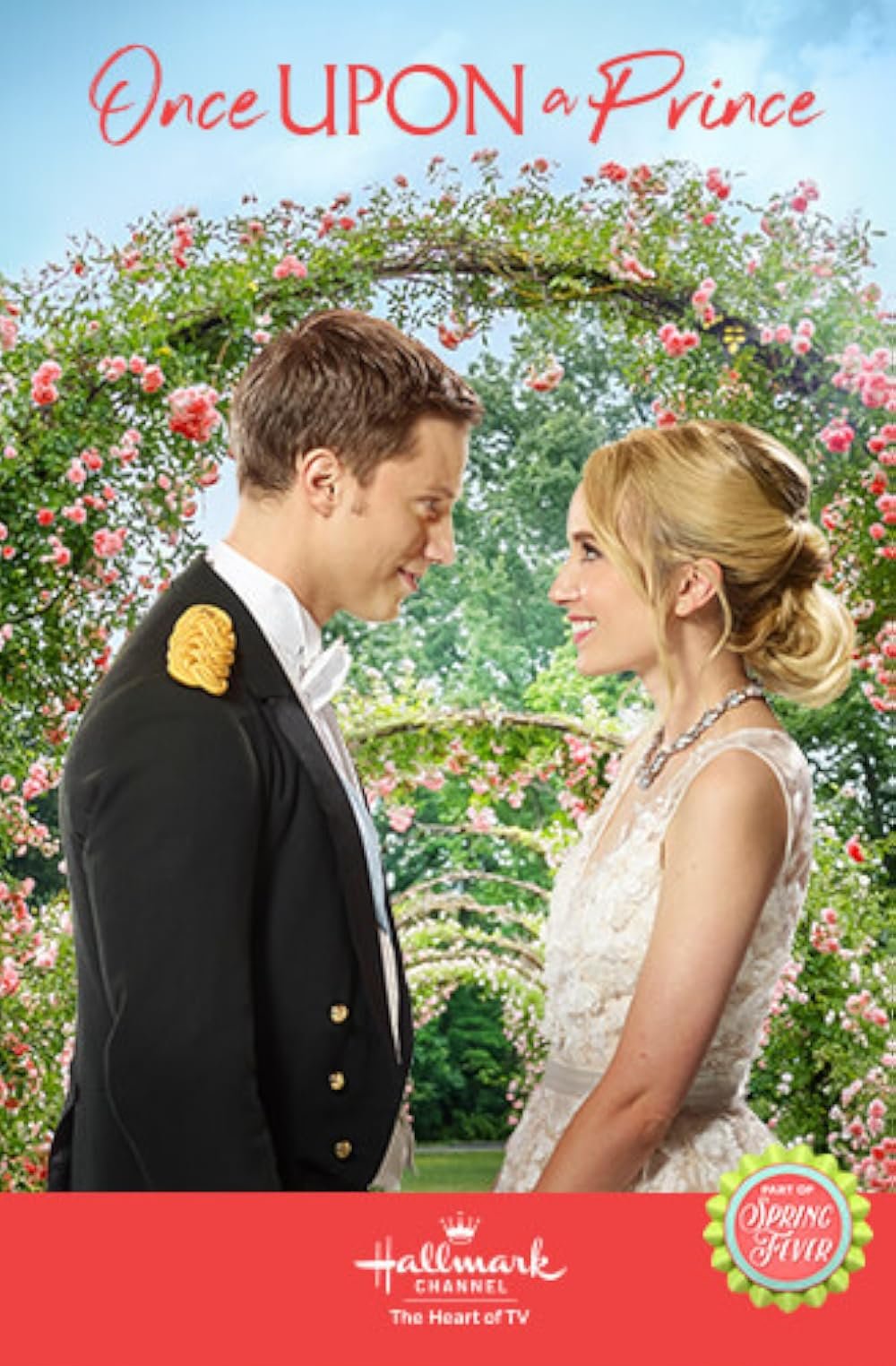
Visually, Once Upon a Prince understands the appeal of a romantic escape. The garden setting gives the film a lush, almost storybook atmosphere, while the royal surroundings provide the elegance viewers expect once Nate’s true identity is revealed. The production was filmed in British Columbia, with Hatley Castle among the filming locations, adding another layer of grandeur to the story’s royal world.
That contrast between gardens and palace life is one of the movie’s most memorable qualities. Flowers represent growth, patience and possibility, while the royal world represents tradition, responsibility and expectations. Placing Susanna between those two worlds gives the film a visual language that supports its emotional story.
The garden imagery is especially fitting because love in this movie is presented as something that has to grow. It cannot simply be commanded into existence. It needs attention, trust and the willingness to allow something unexpected to take root.
That idea helps explain why Once Upon a Prince can remain appealing even for viewers who already know exactly where a Hallmark romance is likely to lead. Predictability is not necessarily the enemy of comfort viewing. Sometimes audiences return precisely because they know the emotional destination and want to enjoy the journey again.
There is also a nostalgic quality to the film’s approach to romance. It belongs to the tradition of gentle romantic stories where kindness matters, families have an important place in the narrative, beautiful surroundings become part of the fantasy and love is allowed to be sincere without cynicism.
The movie’s central fantasy is not really about becoming royal. It is about being chosen despite the obstacles surrounding the relationship. Susanna is not valuable because she can fit into a palace. Her value comes from who she already is. Nate’s challenge is not merely to become a king; it is to understand what kind of king—and what kind of man—he wants to be.
That gives the story its most enduring message. Sometimes the life we are expected to live is not necessarily the life that will make us happy. Sometimes the most meaningful choices are the ones that require us to step outside an established role and listen to what our hearts are telling us.
For viewers who enjoy romantic movies built around hope, Once Upon a Prince offers that familiar Hallmark promise in a particularly picturesque package. It has the secret identity, the royal world, the family expectations, the beautiful gardens and the unlikely romance, but its emotional center remains surprisingly simple: two people meet, discover something genuine and have to decide whether that connection is worth fighting for.
And perhaps that is why the story feels so much like a fairy tale without needing to become one completely. The magic is not only in the castle or the crown. It is in the possibility that an ordinary afternoon, an unexpected meeting or one seemingly small act of kindness can change the direction of an entire life.
Once Upon a Prince ultimately invites viewers to believe in that possibility. Love may arrive when nobody is looking for it. Dreams may grow in places that once seemed ordinary. And sometimes, the most unforgettable fairy tales begin long before anyone realizes that a prince has entered the story.
