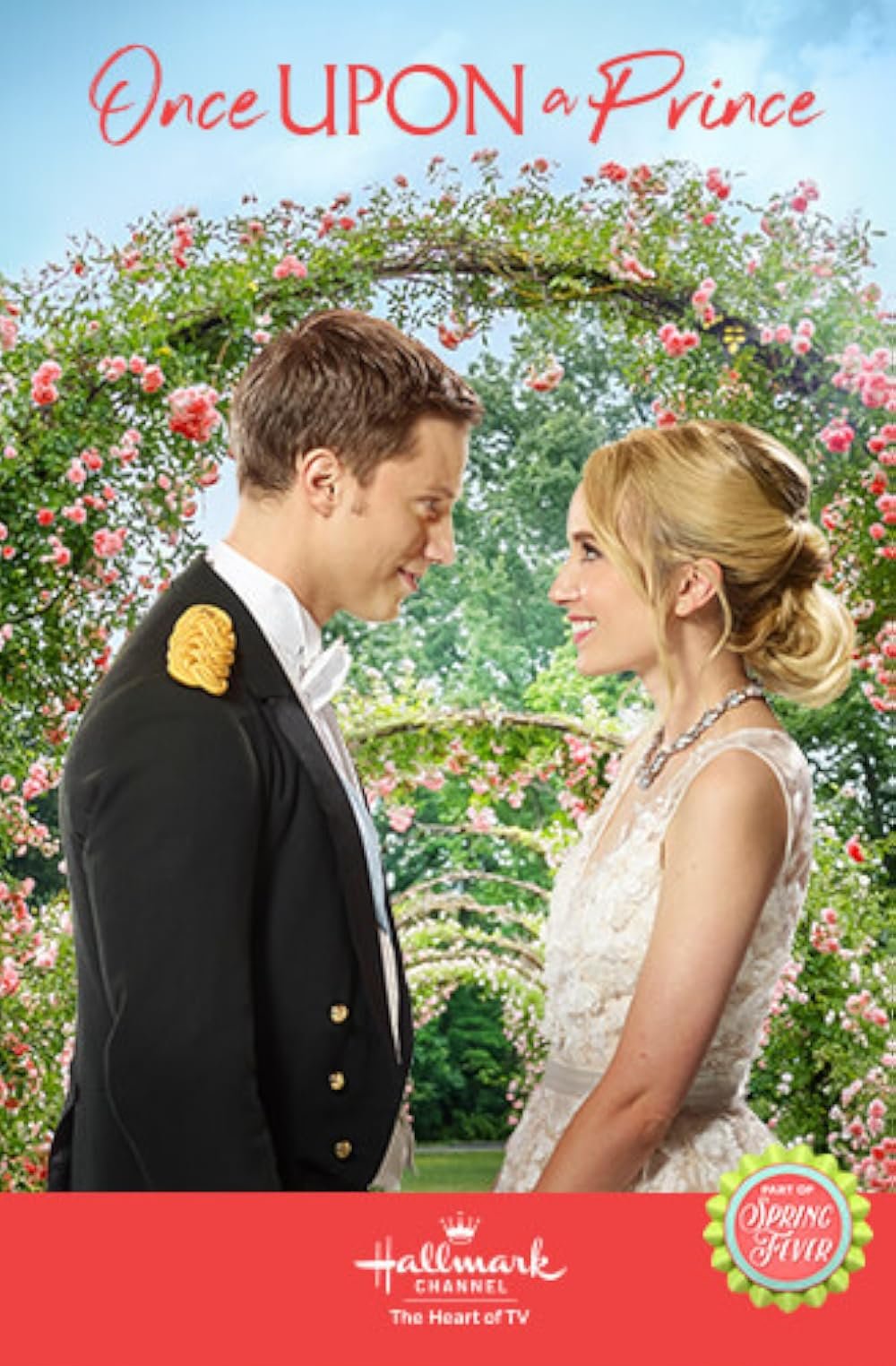
Part Two: Why Megan Park and Jonathan Keltz Make the Romance Work
The movie depends heavily on the connection between its two leads, and Megan Park and Jonathan Keltz give the central relationship a gentle, approachable quality. Their characters do not begin with grand declarations or instant promises. Their attraction develops through conversation, kindness and the simple pleasure of discovering another person.
That gradual quality makes the romance easier to invest in. Nate may have a royal identity, but Susanna initially encounters him as a man who is willing to help. That distinction matters. The audience gets to see the person before the title, which allows the relationship to feel rooted in something more meaningful than the fantasy of becoming a princess.
Jonathan Keltz also has an interesting challenge in playing Nate because the character exists between two identities. There is the relaxed man enjoying time away from royal responsibility, and there is Nathaniel, the future king who is expected to fulfill a duty. Hallmark even highlighted Keltz’s work maintaining his character’s English accent as part of the production’s behind-the-scenes material.
Megan Park’s performance gives Susanna a grounded quality that helps keep the story from becoming entirely about royalty. She feels connected to her family, her work and her own hopes. That makes her relationship with Nate more interesting because she is not simply waiting for someone powerful to change her life. She already has a life she values.
This is also where the movie’s emotional appeal becomes clearer. The royal fantasy works because it is surrounded by recognizable feelings: uncertainty, vulnerability, family pressure and the fear of being judged by people who believe they know what is best for you.
Nate’s royal position creates an especially difficult conflict. A private romance can be complicated enough, but a future king does not have the luxury of making every decision privately. Once photographs of the couple reach the press, their relationship becomes public, and Nate is called home for his coronation.
The result is a romance about more than whether two people are attracted to one another. It becomes a question of whether love can survive when an entire world is telling you what your future should look like.
That is a theme Hallmark audiences have returned to again and again: the tension between duty and happiness. Once Upon a Prince wraps that theme in beautiful scenery and a royal setting, but underneath the fairy-tale surface is a very human desire—to be accepted for who you are rather than for what others expect you to become.
