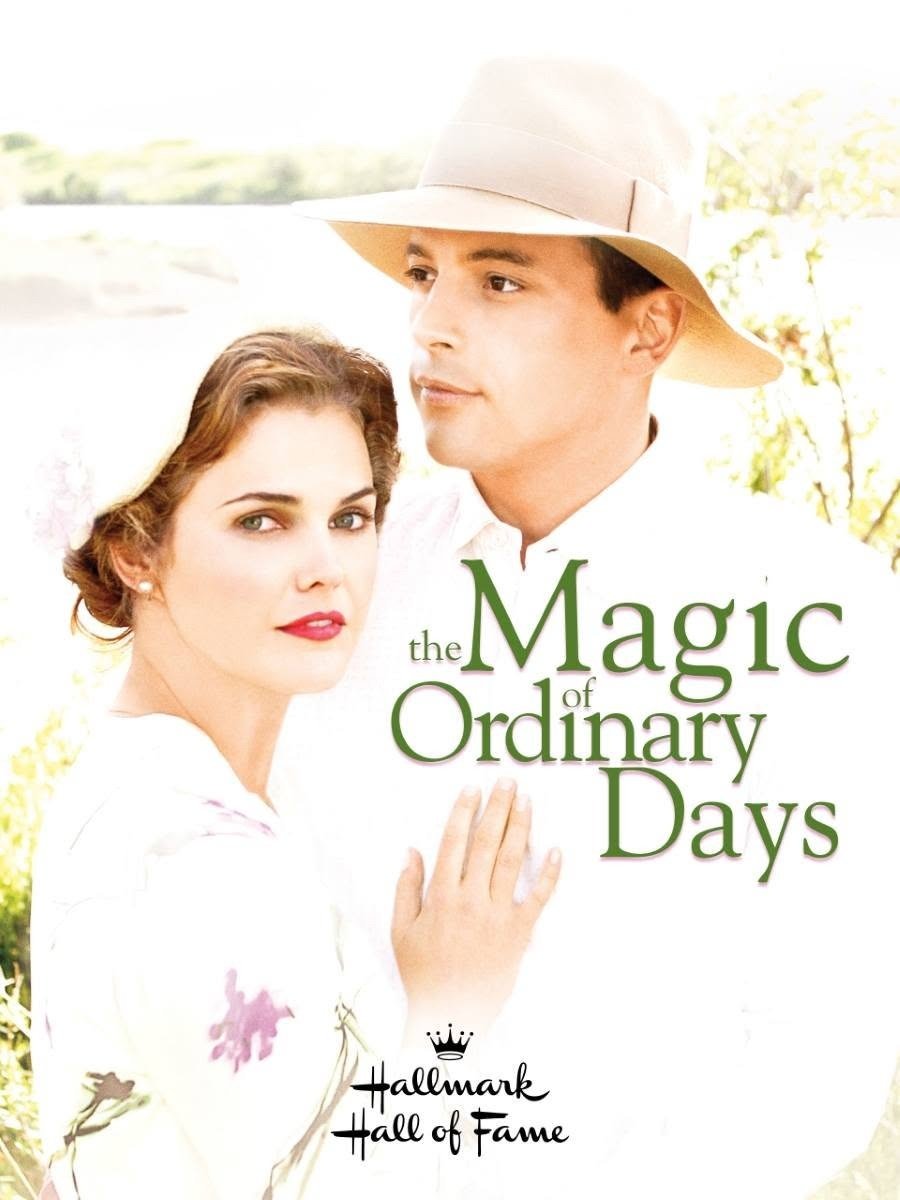
Part Two: The Beauty of Choosing a Life You Never Expected
The most memorable quality of The Magic of Ordinary Days may be the way it treats ordinary life as something worthy of attention.
The film’s rural Colorado setting becomes more than a backdrop. The farm, the countryside, the changing seasons, the quiet household routines, and the close-knit family environment all help create a world that feels removed from Livy’s former ambitions. That sense of place makes her emotional adjustment especially powerful.
For Livy, the countryside initially represents limitation. For Ray, it represents home.
That difference becomes an important part of the film’s emotional conversation. A place can feel confining when we believe our real life exists somewhere else. But sometimes circumstances force us to look again at the life directly in front of us.
Ray’s kindness is especially important because he does not try to erase Livy’s past. Instead, he gives her room to become comfortable with the present. One particularly touching detail in the story is his effort to visit the local library and read classics so that he can better converse with his educated wife.
It is a small gesture, but it says almost everything about his character.
Ray understands that Livy values knowledge. Rather than mocking that part of her personality or asking her to abandon it, he tries to enter her world. The gesture is romantic precisely because it is so modest.
That is the kind of romance the movie understands best.
There are no elaborate displays designed to impress an audience. Instead, affection appears in acts of consideration. It exists in patience. It exists in giving someone dignity when circumstances have taken much of it away.
The supporting characters also deepen that emotional atmosphere. Mare Winningham brings warmth and strength to Martha, Ray’s sister, whose presence helps make the household feel like a genuine family rather than merely a temporary arrangement. Livy also forms a friendship with Florence and Rose, two Japanese-American women who have been interned with their families at a nearby camp. Their relationship with Livy becomes an important part of the film’s emotional education, giving her another perspective on love, resilience, and the unexpected paths life can take.
Those relationships keep the film from becoming only a story about a husband and wife.
It becomes a story about belonging.
That distinction matters. Livy’s transformation is not simply that she falls in love with Ray. She begins to understand that belonging can come from people who were strangers only months earlier. Family can be created through compassion. Home can be something discovered rather than something inherited.
And perhaps most beautifully, the movie allows that discovery to happen slowly.
There is something deeply comforting about watching characters who do not have all the answers. Livy is uncertain. Ray is reserved. Their future is not guaranteed. Yet they keep moving forward, one ordinary day at a time.
That is where the title becomes so meaningful.
The “magic” is not really in extraordinary circumstances. It is in the way ordinary moments begin to matter when they are shared with the right people.
